Why clinical data is often missing
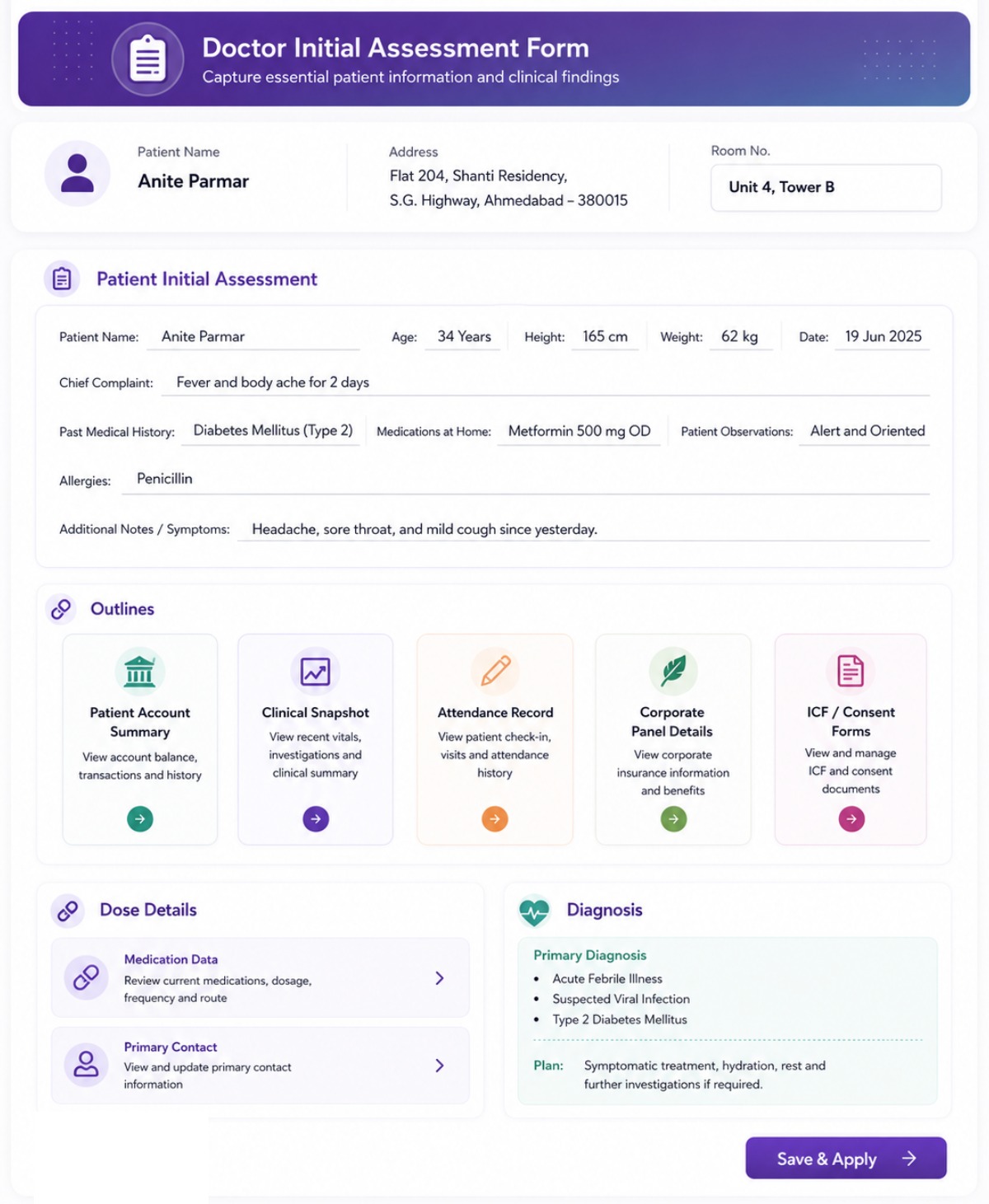
Electronic health records software and EHR systems use automated alerts to improve accuracy and completeness of clinical documentation. By strengthening digital health records and ensuring every medical record is updated, these systems enhance efficiency and patient care in modern healthcare.
Read On..
Reducing Dependency on Manual Case Papers
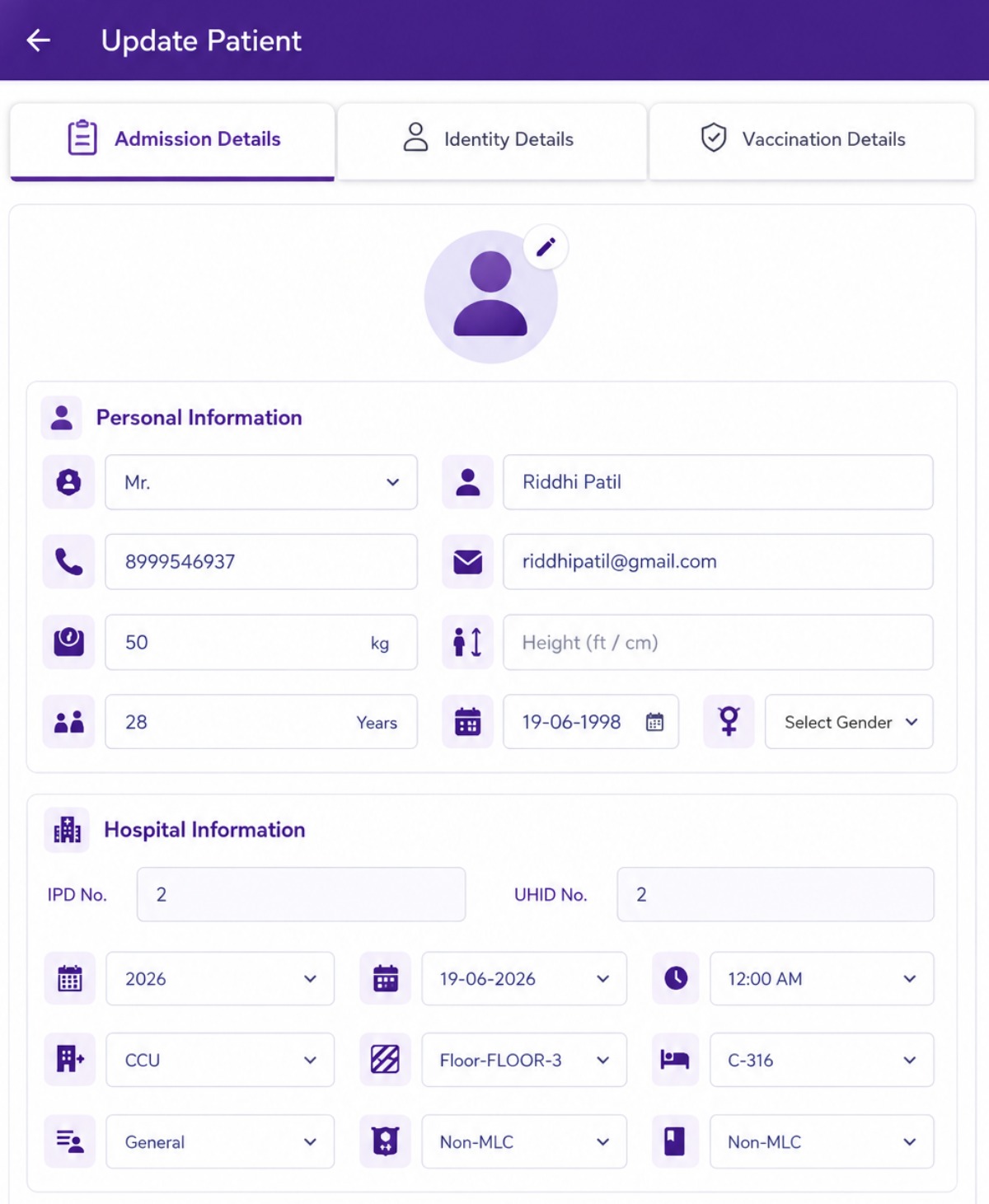
Reducing dependency on manual case papers improves efficiency and accuracy in the healthcare system through digital solutions. The use of electronic health records software and digital health records ensures better data management and patient care.
Read On..
Clinical Documentation Standardization Across Departments
A well-integrated electronic health records software plays a central role in improving documentation consistency across departments. When combined with structured systems, it supports better data flow, reduces errors, and enhances overall clinical coordination.
Read On..
Digital Recording Of Vitals: Accuracy & Benefits
Digital recording of patient vitals enhances clinical accuracy by capturing real-time data directly from monitoring devices, minimizing human error associated with manual documentation. It ensures consistency, completeness, and reliable data flow, which are critical for informed decision-making and improved patient outcomes. Additionally, integration with broader digital health systems streamlines workflows, strengthens traceability, and supports efficient, coordinated care delivery.
Read On..
Automation In Nursing Documentation Workflows
Automation is transforming nursing documentation by reducing manual workload, minimizing errors, and improving efficiency. By streamlining repetitive tasks, it allows nurses to focus more on patient care while ensuring accurate, timely records that support better clinical decisions and workflow balance.
Read On..
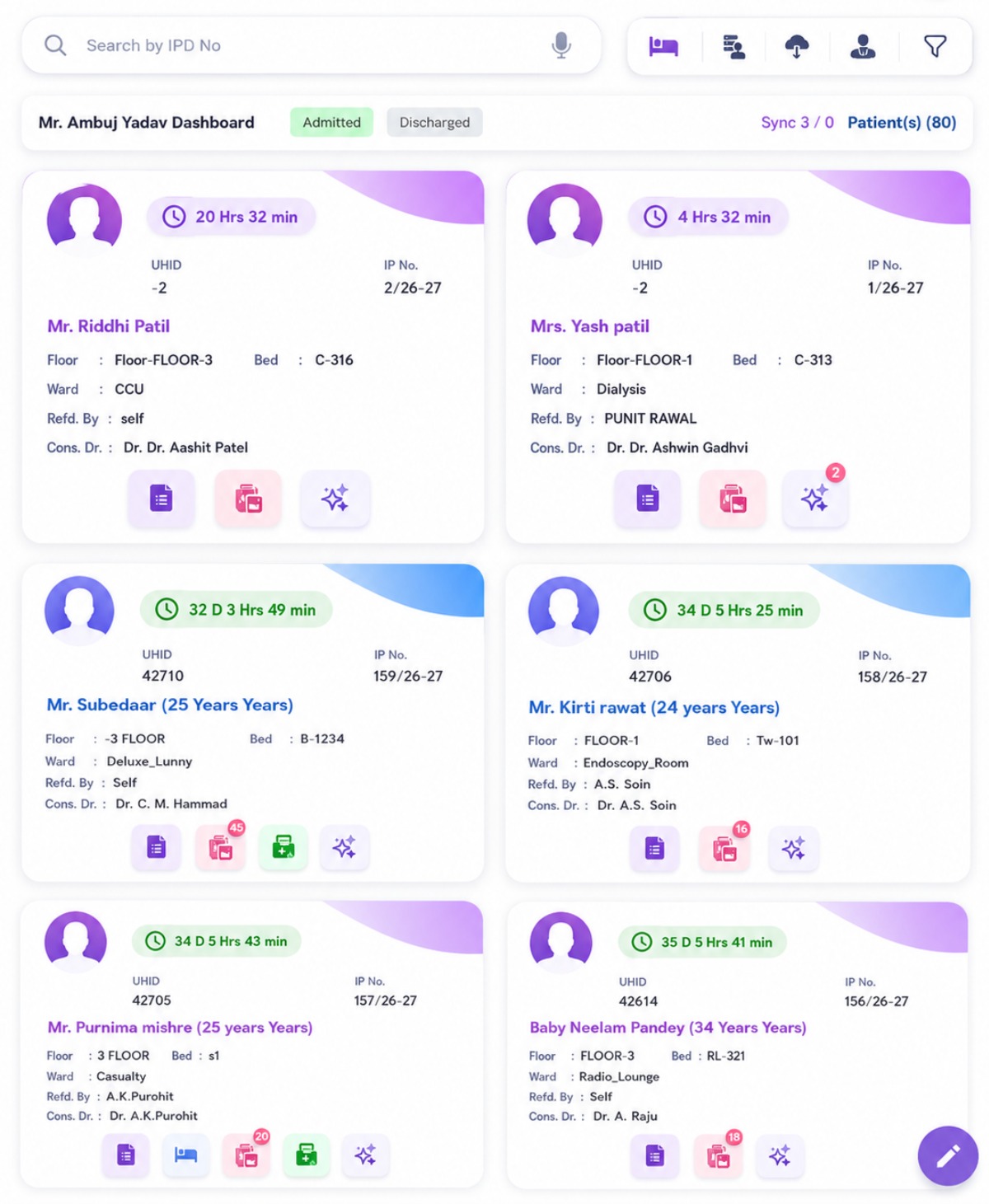
Real-Time Clinical Data Capture In IPD
Real-time clinical data capture in IPD enables instant recording of patient information, ensuring accuracy and continuity of care. By integrating monitoring systems with electronic records, it reduces delays, manual errors, and communication gaps among care teams. This shift enhances clinical decision-making, improves coordination, and supports more responsive inpatient care delivery.
Read On..
Reducing Documentation Errors Through Digital Systems
Documentation errors in healthcare often arise from manual processes, time pressure, and fragmented communication systems rather than a lack of expertise. Digital documentation systems help reduce these errors by standardizing data entry, improving accessibility, and minimizing duplication. By shifting reliance from manual effort to system-supported accuracy, hospitals can significantly enhance the reliability and efficiency of clinical records.
Read On..
Automating Daily Case Sheets In IPD
Structured task automation in IPD reduces repetitive documentation in daily case sheets by streamlining data entry, improving workflow efficiency, and freeing clinical time while preserving accuracy and continuity in patient records.
Read On..
Structured Vs Unstructured Medical Records: What Works Better?
Structured and unstructured medical records are not competing systems. They serve different purposes within healthcare. While structured data offers speed and organization, unstructured data provides depth and context. The most effective approach is not choosing one over the other, but integrating both in a way that supports better decisions, smoother workflows, and improved patient care.
Read On..
Scaling hospitals with Digital IPD
Digital Inpatient Department systems enable Indian hospitals to scale efficiently by automating bed management, reducing billing leakages, and accelerating discharges, ultimately ensuring operational maturity and enhanced patient trust.
Read On..
Why hospitals struggle with IPD compliance
Indian hospitals struggle with IPD compliance due to manual paperwork, complex insurance rules, and poor visibility. Transitioning to digital systems ensures real-time accuracy, protects finances, and improves patient care.
Read On..
Benefits of digitizing IPD records
Digitizing Inpatient Department records eliminates paperwork barriers, enhances patient safety through centralized data, and streamlines discharge billing. This transition ensures national compliance while allowing medical professionals more time for healing.
Read On..
Doctor acceptance of tablet-based IPD documentation
Tablet-based documentation replaces bulky paper files in Indian hospitals, enhancing clinical efficiency and patient safety. These portable tools sync medical teams, automate discharge summaries, and allow doctors to focus on care.
Read On..
Digital IPD for standardized clinical documentation
Digital IPD transforms Indian hospitals by replacing manual paperwork with standardized clinical documentation. This paperless approach improves coordination, enhances patient safety, and significantly reduces discharge delays for a better experience.
Read On..
How Digital IPD improves multidisciplinary coordination
Digitizing the Inpatient Department ensures every medical team member accesses the same data simultaneously. This coordination removes bottlenecks, reduces medication errors, and allows professionals to focus on patient recovery.
Read On..
How Digital IPD lowers operational inefficiencies
Digital IPD systems resolve operational bottlenecks by eliminating manual paperwork, optimizing bed management, and preventing billing leakage. This transition empowers hospital staff, ensures financial accuracy, and improves patient care.
Read On..
Reducing audit stress using Digital IPD
Digital Inpatient Department systems reduce audit stress by making data organized and compliant from the start. They automate clinical documentation, ensuring hospitals remain audit-ready through standardized, transparent, and searchable records.
Read On..
Accuracy of ICU records using digital tools
Digital tools ensure patient safety by providing accurate, real-time records. This system removes manual charting bottlenecks, allowing Indian intensive care units to capture critical data with absolute precision.
Read On..
How hospitals can move toward zero-paper IPD
Moving toward a zero paper Inpatient Department is a strategic move that pays off for years by embracing digital solutions to ensure safer patients and more efficient hospitals.
Read On..
Digital IPD as a nursing support system
Digital IPD systems transform Indian hospital wards by automating documentation and medication tracking. This reduces nursing burnout, eliminates discharge delays, and ensures patient safety through real-time data integration.
Read On..
Digital IPD for complex patient journeys
Digital IPD transforms Indian healthcare by replacing bulky paper files with real-time digital tracking. This innovation ensures faster discharges, transparent billing, and enhanced patient safety through instant data sharing.
Read On..
Backup and recovery of IPD records
A robust backup and recovery strategy for Inpatient Department records is the foundation of modern, efficient, and patient centric Indian hospitals, ensuring data security, legal compliance, and operational continuity.
Read On..
Why Digital IPD is an investment, not an expense
Digitalization is a strategic investment that fixes invisible budget leaks. It plugs revenue gaps through precision billing and improves clinical safety, ensuring your hospital remains profitable and resilient.
Read On..
Digital IPD for better clinical decision-making
Digital inpatient systems improve clinical decision-making by providing real-time data access, reducing medical errors, and streamlining hospital workflows. This technology ensures faster recoveries and higher safety standards in Indian healthcare.
Read On..
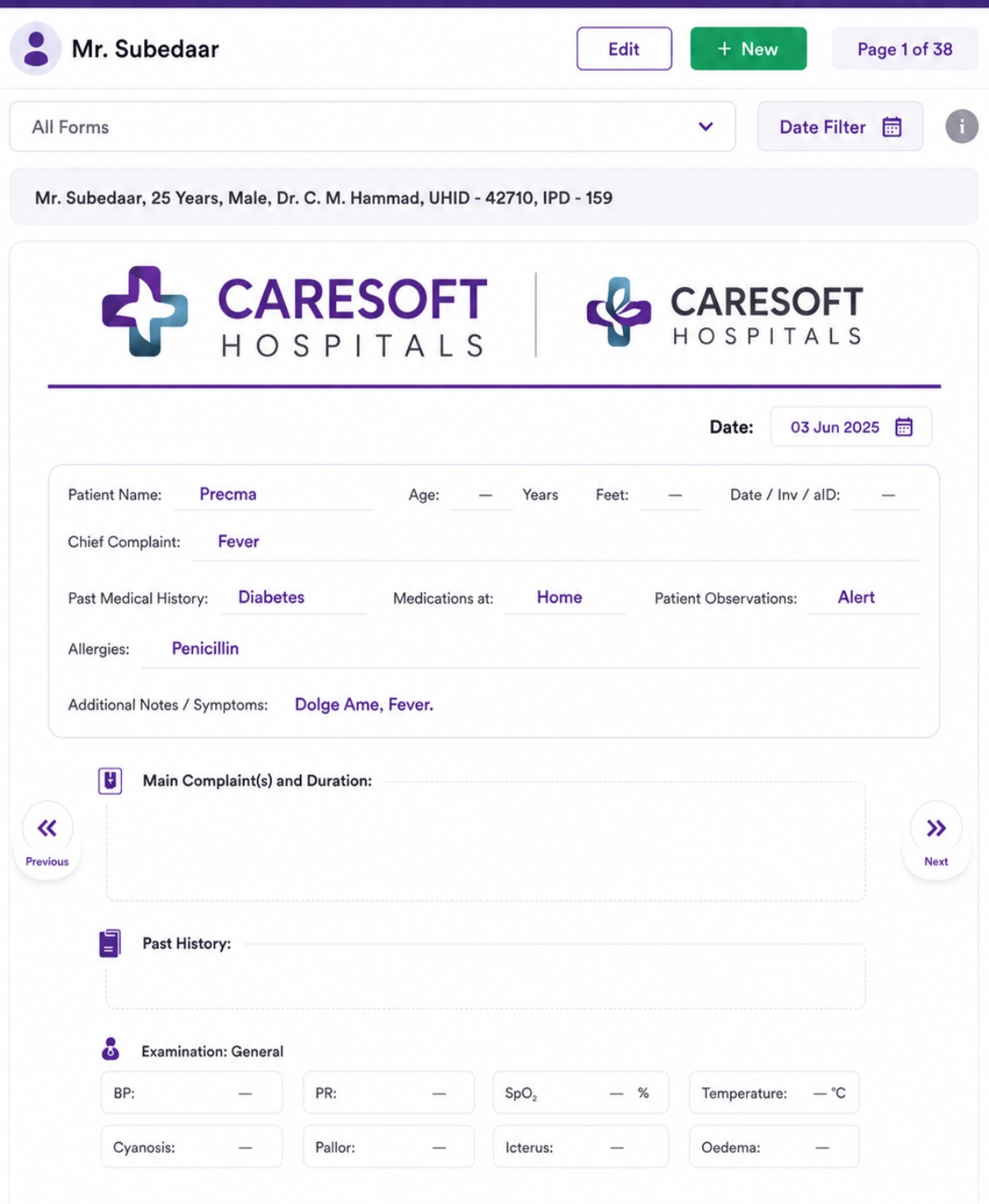
Structured clinical notes in Digital IPD
Structured clinical notes replace unpredictable handwritten records with standardized digital templates. This transition enhances communication, improves medical decision making, and optimizes hospital operations for a safer, more efficient healthcare future.
Read On..
How Digital IPD ensures record availability at all times
Digital IPD systems modernize Indian hospitals by replacing fragile paper files with secure, cloud-based records. This transition ensures instant data access, improves departmental collaboration, and streamlines the discharge process.
Read On..
The next phase of inpatient digitization
This article explores how digital integration in Indian inpatient departments enhances patient safety, streamlines nursing workflows, ensures billing transparency, and utilizes real time data to improve overall hospital efficiency.
Read On..
Digital IPD as a foundation for advanced analytics
A Digital Inpatient Department serves as the essential foundation for advanced analytics, turning a traditional hospital into a proactive, high-performance institution that improves clinical precision and streamlines operations.
Read On..
Structured clinical notes in Digital IPD
Structured clinical notes replace unpredictable handwritten records with standardized digital templates. This transition enhances communication, improves medical decision making, and optimizes hospital operations for a safer, more efficient healthcare future.
Read On..
How paperless IPD improves patient safety
The transition to a paperless inpatient department reduces medical errors by providing clear documentation, automated safety alerts, and instant access to data. This shift empowers nurses and ensures patient safety.
Read On..